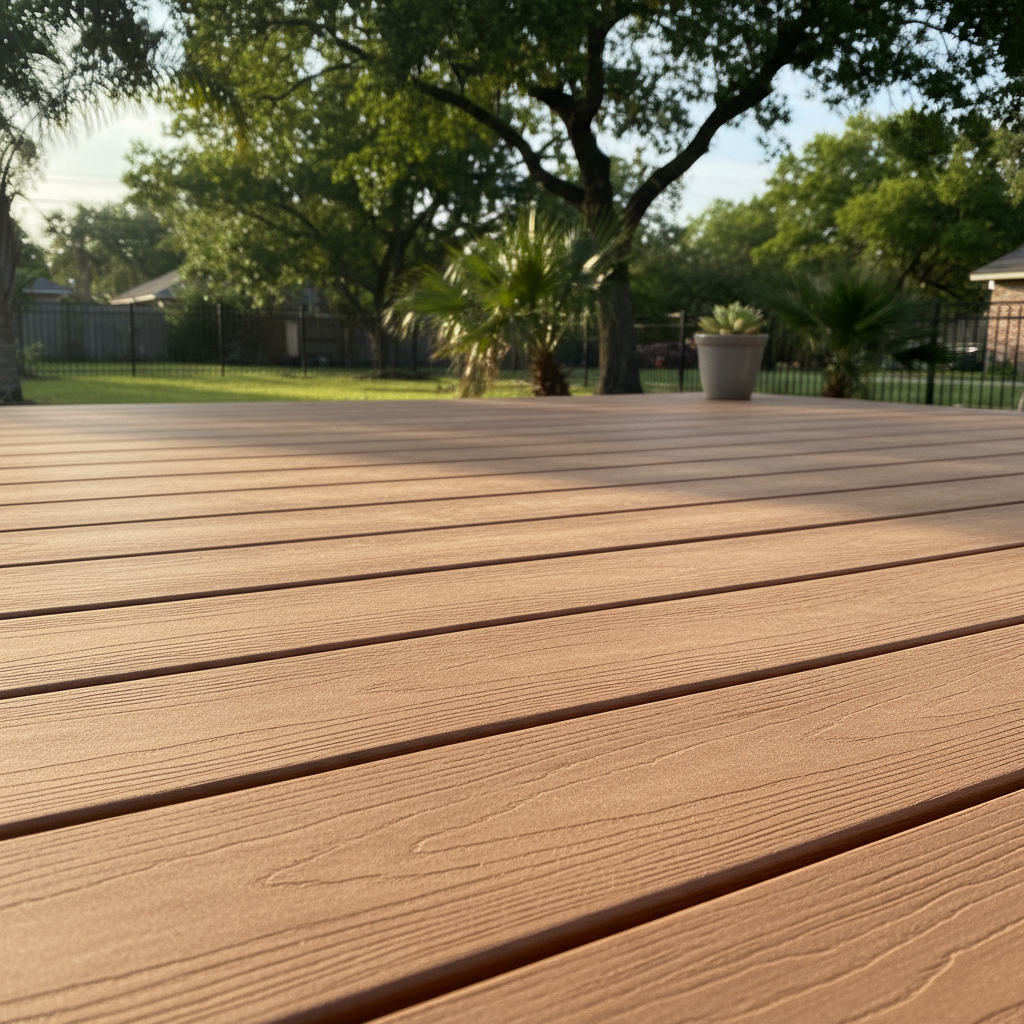
Do composite decks really fade over time, or is that just a myth?
Alright, let's get this one out of the way first. You hear a lot of talk about composite decks not fading, and while they're definitely way better than wood in that department, it's not a complete myth. Here's the deal: modern composite decking, especially the good stuff, is engineered with UV inhibitors and a protective cap layer. This cap layer is what really does the heavy lifting against the sun's harsh rays. That's a huge improvement over early composites that faded pretty noticeably. So, while a high-quality composite deck won't fade like an old wooden deck that hasn't seen stain in years, you might see a slight, subtle lightening or mellowing of the color over many, many years. It's usually not a dramatic shift, more like a natural patina. Think of it less as 'fading' and more as 'aging gracefully' compared to wood. If you're buying a quality brand and it's installed right, you shouldn't be worried about it turning a completely different color on you. We've put in plenty of these decks around Brownsville, even with our intense South Texas sun, and they hold up really well.
Can I really clean a composite deck with just soap and water? What about tough stains?
Yeah, for the most part, you absolutely can clean a composite deck with just soap and water. That's one of the biggest selling points, right? Forget the sanding, stripping, and re-staining routine you get with wood. For general dirt, dust, and light grime, a good scrub brush, some mild dish soap, and a hose are usually all you need. Just make sure you rinse it thoroughly. Now, for tougher stains, it gets a little more specific. Grease, oil, or food spills? You want to get to those quickly. Most composite manufacturers have specific cleaning products they recommend for things like rust, mold, or even scuff marks. Don't just grab any harsh chemical cleaner; some of them can actually damage the cap layer. A pressure washer can be used, but you gotta be careful. Keep the pressure low (under 1500 psi) and use a wide fan tip, holding it a good distance from the deck surface. If you get too close or use too high a pressure, you can etch or damage the surface, and that's not something you want to deal with. Always check the manufacturer's guidelines for cleaning your specific brand of composite decking. It'll save you a headache.
Are composite decks slippery when wet, especially after a rain?
This is a common concern, and it's a fair question, especially with the occasional heavy downpours we get here. The short answer is: it depends on the specific product. Early composite decking could be a bit slick, no doubt. But manufacturers have made huge strides in recent years. Modern composite boards often have textured surfaces – things like wood grain patterns or brushed finishes – that are designed to increase traction. Many also incorporate slip-resistant additives into the cap layer. So, while no deck surface is going to be 100% slip-proof when wet (even concrete can be slick), good quality composite decking is generally designed to be much less slippery than untreated, smooth wood, or even some types of stone. If you're really concerned about slip resistance, ask your builder – like us at Primetime Decks Brownsville – about specific brands and lines that are known for their enhanced traction. Some even meet specific slip-resistance ratings. It's always a good idea to walk on a sample board if you can, especially if it's been wet, to get a feel for it yourself.
How do composite decks handle our extreme heat and humidity in Brownsville? Will they warp or sag?
Our South Texas climate is no joke, is it? That heat and humidity can really put materials to the test. Composite decks are actually built pretty tough for these conditions. Unlike wood, which can swell, shrink, crack, and warp with constant changes in moisture and temperature, composite materials are much more stable. They're designed to resist moisture absorption, which is key in our humid environment. As for heat, good quality composite decking is engineered to expand and contract minimally. However, proper installation is absolutely critical here. We make sure to leave appropriate gapping between boards and at butt joints to allow for that slight thermal expansion and contraction. If you don't, you can definitely run into issues like buckling or warping. Also, the substructure – the framing underneath – needs to be solid and properly spaced. If the joists are too far apart, you could get some sagging, regardless of the decking material. So, while the material itself is resilient, the installation expertise makes all the difference in how it performs long-term in our Brownsville heat.
What about mold and mildew? Do composite decks get that green stuff growing on them?
You bet they can. Anyone who lives in Brownsville knows that mold and mildew are just part of life down here, especially with our humidity and occasional heavy rains. While composite decks are resistant to rot and insect infestation (which is a huge win over wood), they aren't completely immune to surface mold and mildew growth. These are living organisms that feed on organic matter – things like pollen, dirt, leaves, and even air pollution that settle on the deck surface. Our warm, damp climate creates the perfect breeding ground for them. The good news is that it's usually just a surface issue. It won't penetrate and destroy the material like it would with wood. A regular cleaning schedule, even just a good wash with soap and water a couple of times a year, will usually keep it at bay. If you do get some stubborn spots, there are specific deck cleaners designed to kill mold and mildew without harming the composite material. Just avoid harsh chemicals like bleach, as they can sometimes affect the color or surface finish. Keep it clean, and you'll keep the green stuff off.
Is it true that composite decks can get really hot underfoot in the sun?
Yeah, this is another one where you gotta be straight with folks. Composite decks can definitely get hotter than natural wood decks in direct sunlight. It's just a characteristic of the materials they're made from. Darker colors will absorb more heat, just like a dark car sitting in the sun. So, if you choose a dark gray or a deep brown composite board, expect it to get pretty warm under your bare feet on a scorching summer day here in Brownsville. Lighter colors will reflect more sunlight and tend to stay cooler. Some manufacturers are starting to incorporate technology to help with heat dissipation, but it's not a magic bullet. If you're someone who loves to walk barefoot on your deck all summer long, especially in the afternoon, you might want to consider lighter color options or plan for some shade over your deck. It's not usually a deal-breaker for most folks, but it's something to be aware of, especially if you have kids or pets who might be sensitive to hot surfaces.
Can I really repair a damaged composite board, or do I have to replace the whole thing?
This depends entirely on the type and extent of the damage. For minor scuffs or scratches, sometimes a specialized composite deck cleaner or a light buffing can help. Some manufacturers even offer touch-up kits for very superficial marks. But if you're talking about a deep gouge, a crack, or a board that's been severely stained or warped (which is rare if installed correctly), you're usually looking at replacing the individual board. The good news is that if the deck was installed properly, individual boards can often be removed and replaced without tearing up the whole deck. This is a big advantage over some older decking systems. It's not usually a DIY job for a novice, though. You need the right tools and know-how to carefully remove the damaged board without affecting the surrounding ones, especially with hidden fastener systems. If you have a damaged board, give us a call at Primetime Decks Brownsville. We can assess it and let you know the best course of action, whether it's a simple fix or a board replacement.